


Serene is the feeling that washes over you when you step into a thoughtfully designed meditation space in the comfort of your home. Setting up a designated area for quiet reflection and mindfulness can enhance your daily practice. Discover how to transform a corner or a room into a tranquil sanctuary that nurtures your inner peace and well-being. Follow these simple steps guided by the wisdom of Thich Nhat Hanh to create a sacred space that supports your journey towards stillness and clarity.

Preparing the Space
Decluttering and Minimalism
The key to creating a serene meditation space at home is minimalism. Start by decluttering the area. Remove any unnecessary items that may distract you during your practice. Keep the space clean and tidy to promote a sense of calm and clarity.
Choosing a Quiet and Comfortable Location
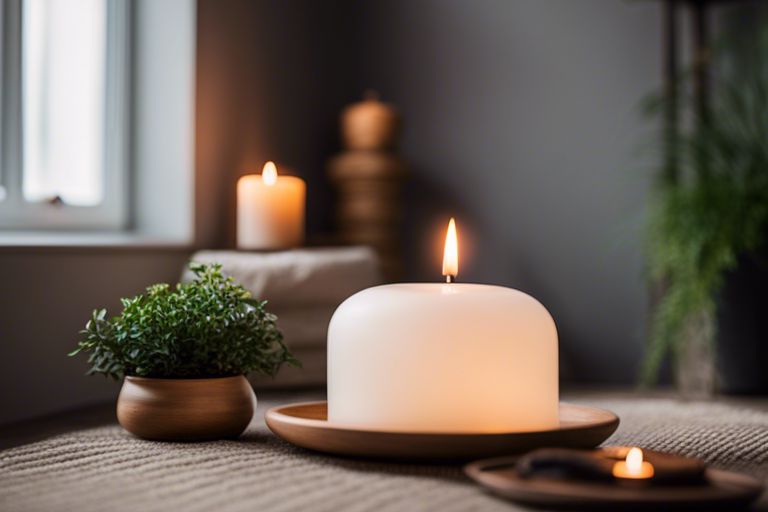
To truly immerse yourself in meditation, it is crucial to select a quiet and comfortable location. Find a spot in your home where you can relax and unwind without any disturbances. Consider a peaceful corner with soft lighting and a comfortable cushion to sit on.
Space is important when choosing the location. Ensure that the area is free from loud noises and interruptions. Opt for a room or corner where you can find privacy and solace, allowing you to dive deep into your meditation practice.
Setting the Atmosphere
Even in the comfort of your own home, it’s necessary to create a space conducive to relaxation and mindfulness. To learn more about ways to establish the perfect meditation setting, check out Ways to Create a Meditation Space at Home.
Lighting and Colors
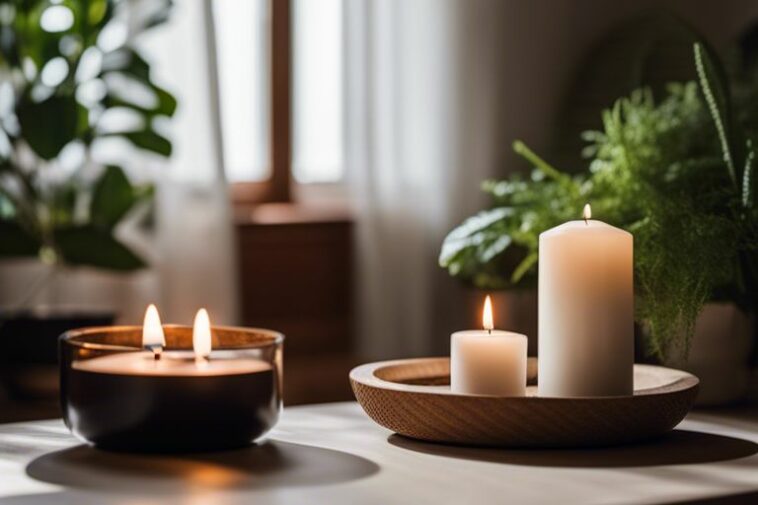
For a tranquil meditation space, opt for soft, warm lighting such as candles or Himalayan salt lamps. Incorporate soft, soothing colors like pastels or earth tones to create a sense of serenity and peace.
Calming Scents and Sounds
An aroma diffuser with necessary oils like lavender or chamomile can fill the air with calming fragrances to enhance your meditation experience. Playing soft, ambient music or nature sounds in the background can also help create a tranquil atmosphere.
Calming scents and sounds have the power to deepen your meditation practice by promoting relaxation and mindful awareness. Experiment with different scents and music to find what resonates best with your personal preferences and helps you achieve a deeper state of tranquility.
Essential Elements
Meditation Cushions and Chairs
Any meditation space at home should include comfortable cushions or chairs to support your practice. Cushions help maintain proper posture and alignment during meditation, while chairs provide additional back support for those who prefer sitting elevated. Choose a cushion or chair that allows you to sit for extended periods without discomfort.
Incense and Candles
Incense and candles can enhance the ambiance of your meditation space, helping create a tranquil and calming atmosphere. Any space dedicated to meditation should include these elements to engage multiple senses and promote relaxation. Light a candle or burn incense before starting your practice to signal the beginning of your mindfulness session.
Plus, be mindful of fire safety when using incense and candles in your meditation space. Make sure to extinguish all flames before leaving the room and keep flammable items away from the burning materials. Additionally, choose high-quality, natural incense and candles to avoid breathing in harmful chemicals during your practice.
Conclusion
With these considerations in mind, creating a meditation space at home can bring peace and tranquility to your daily routine. By following the tips and ideas provided in this article, such as those found in How To Create A Small Space Meditation Corner, you can design a sacred space that fosters mindfulness and relaxation.


GIPHY App Key not set. Please check settings